21/07/2026
Arkabutla Lake Dam: Nicholson Construction Completes Critical Stabilization Work
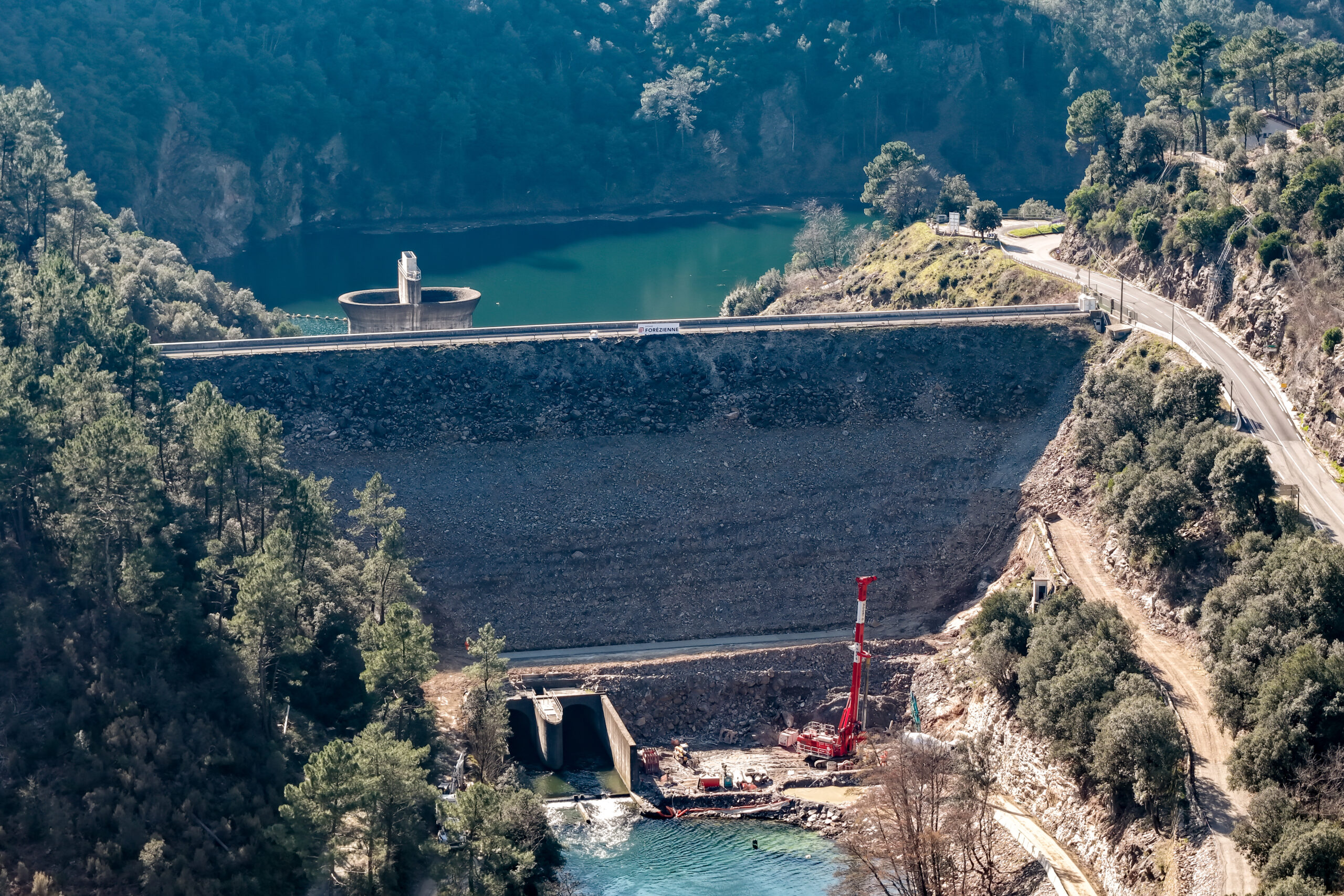
Nicholson Construction was awarded the Phase 2 stabilization contract at Arkabutla Lake Dam and successfully completed the work within an ambitious 46-day schedule. The project marks a significant milestone in the ongoing efforts to safeguard this critical piece of infrastructure and address complex geotechnical challenges affecting the dam.
The work followed the identification of differential settlement near the discharge conduit and stilling basin, which prompted a multi-phase remediation program. After an initial investigation phase involving monitoring activities and the installation of relief wells, Phase 2 focused on stabilizing the affected areas through an extensive grouting program. Leveraging its expertise in geotechnical construction, Nicholson Construction was selected to carry out these critical remediation works.
Complex grouting works across the dam
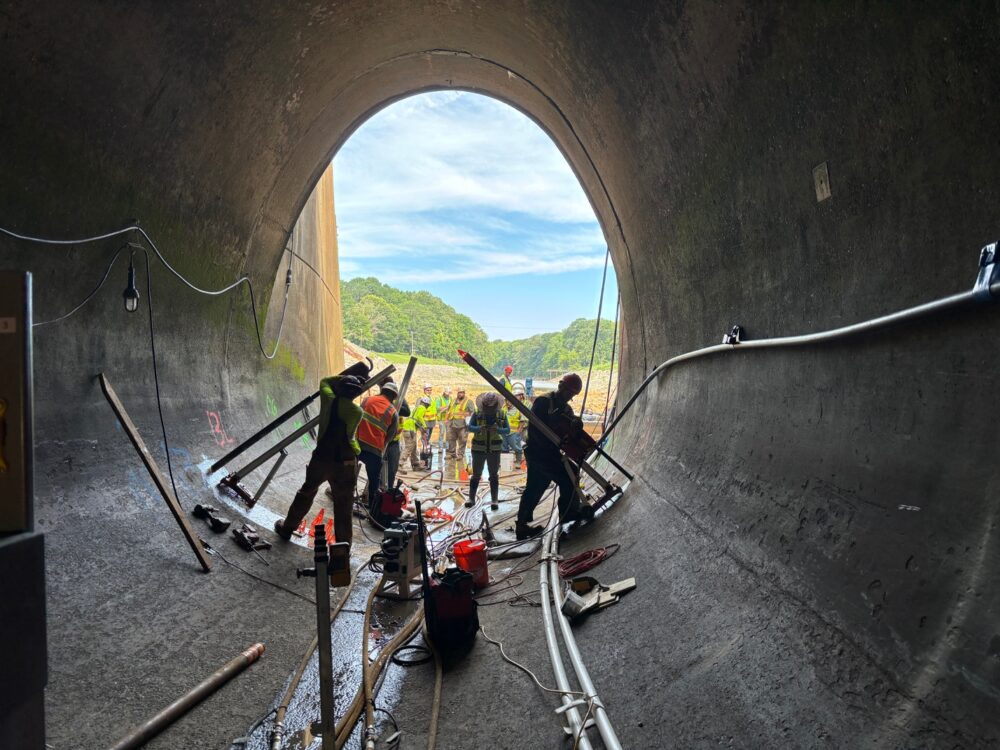
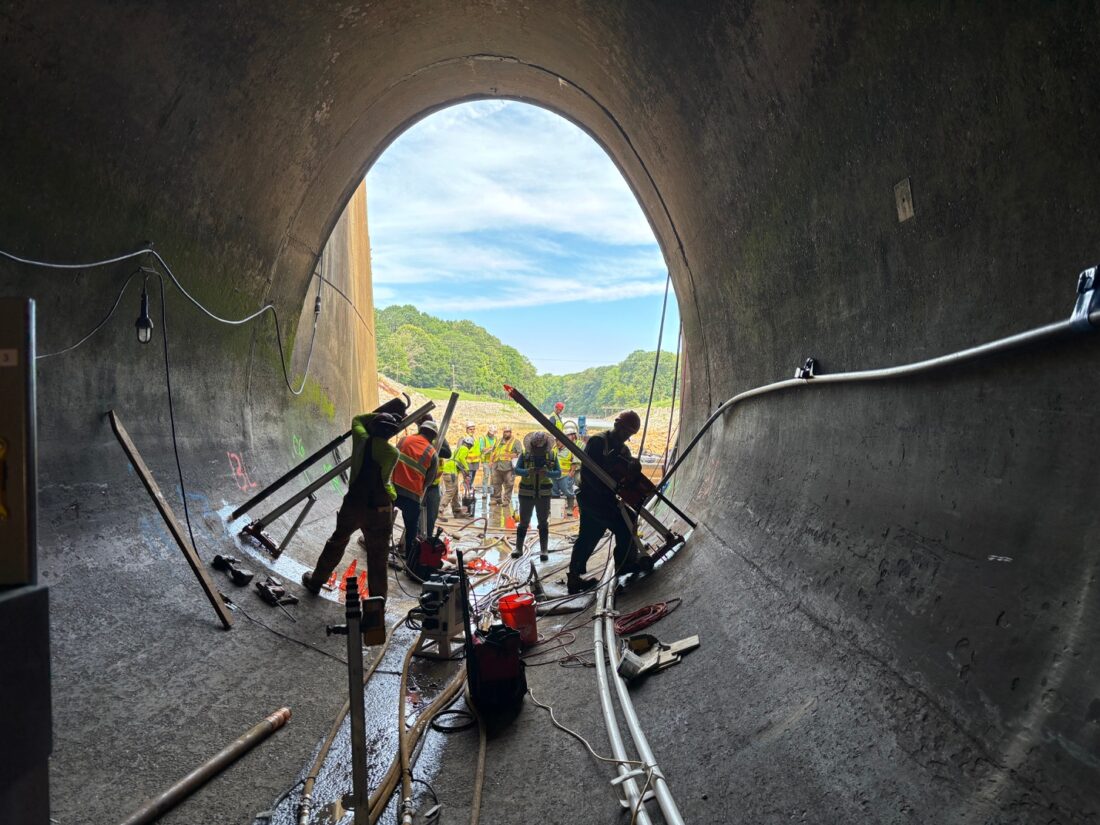
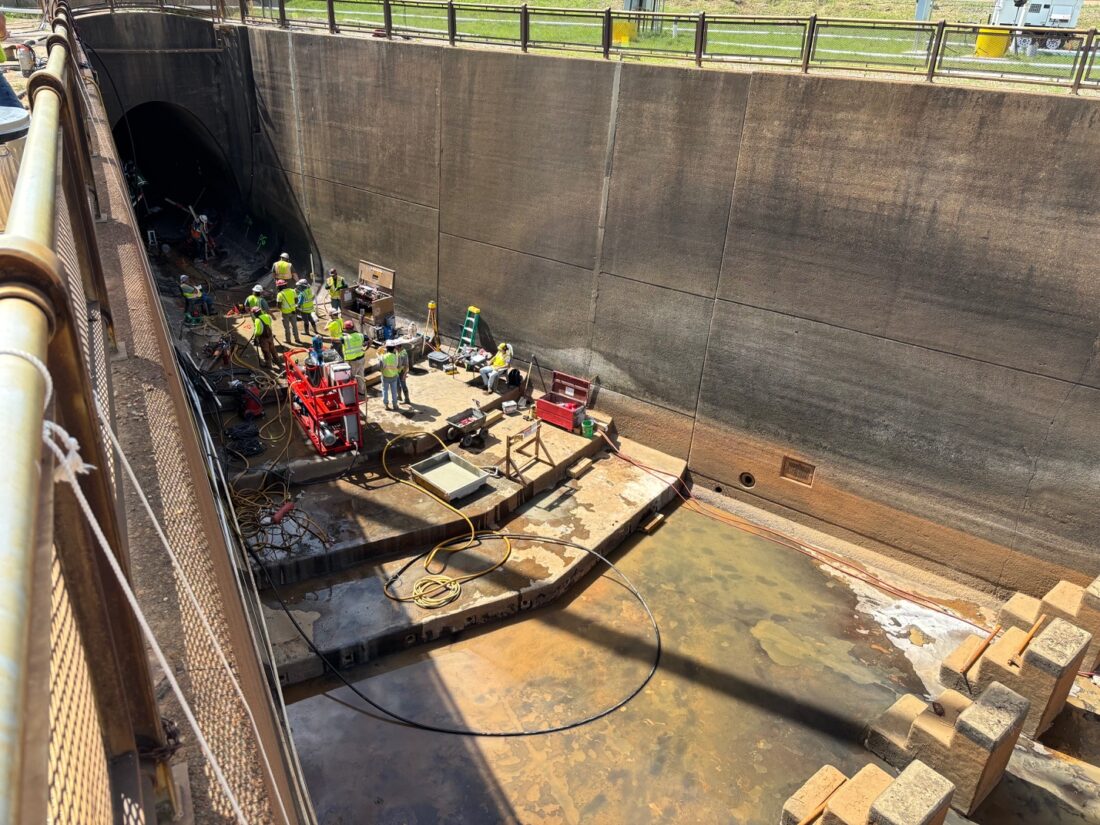
The scope included contact grouting in ten conduit monoliths, as well as contact and permeation grouting in the stilling basin and discharge port. In total, 162 holes were drilled and grouted, requiring crews to core through concrete slabs of varying thicknesses.
To address challenging site conditions, Nicholson Construction deployed two types of mechanical packers. In areas affected by high artesian pressures and soil backflow, a custom-designed packer system was installed, providing enhanced sealing and blowout prevention capabilities. Standard grout-through packers were used in lower-pressure zones.
Adapting to evolving project requirements
During execution, several additional tasks were introduced, including mechanical roughening of grout holes prior to patching, weather-dependent hole closure procedures, and eight additional pilot holes to avoid reinforcing steel during drilling.
Continuous monitoring and quality assurance
To verify the effectiveness of the work, two falling head tests were performed in the stilling basin. Ground and structural movements were continuously monitored using laser leveling equipment, while piezometer readings were recorded by Geosyntec instrumentation specialists in collaboration with government representatives.