04/06/2026
How is low-carbon concrete made?
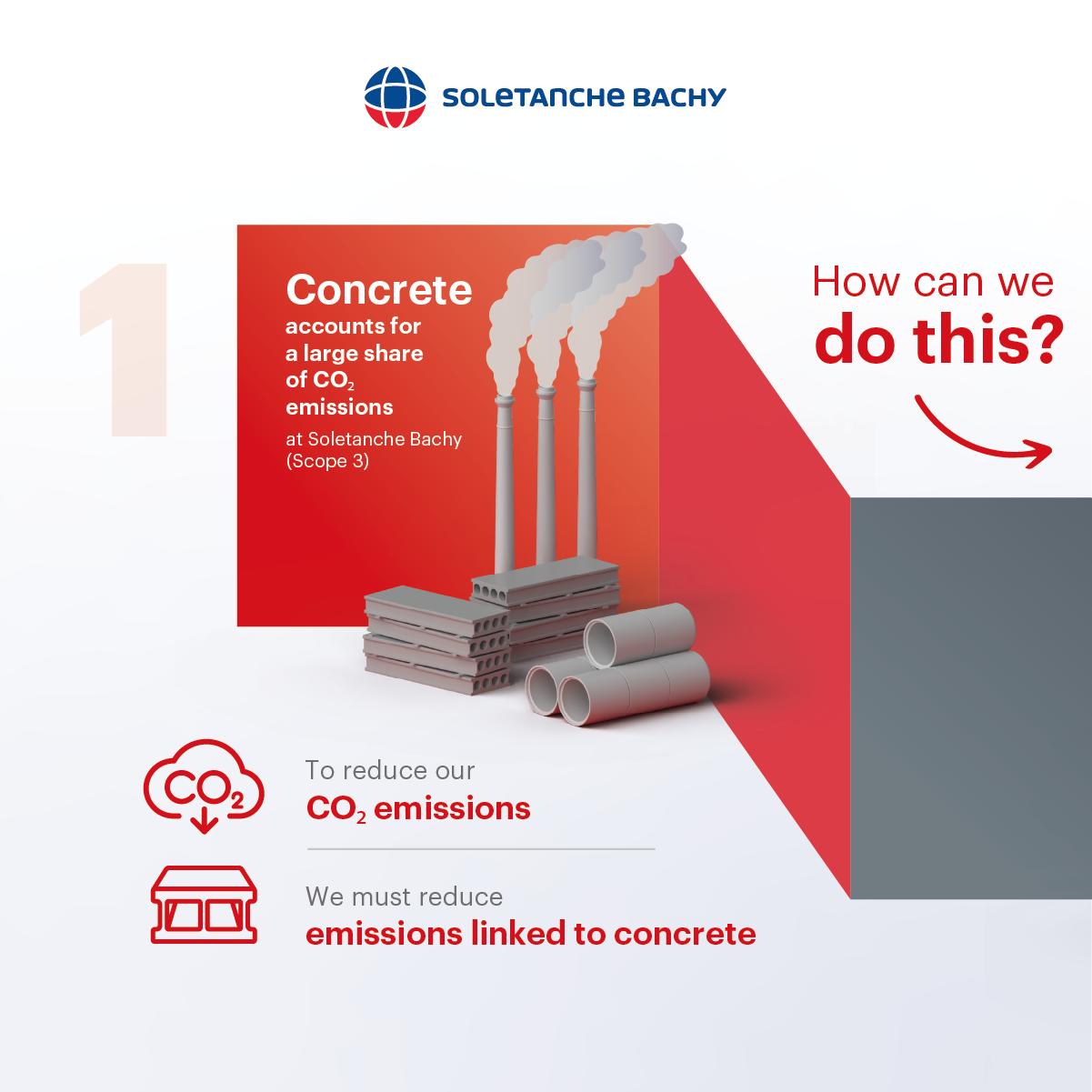
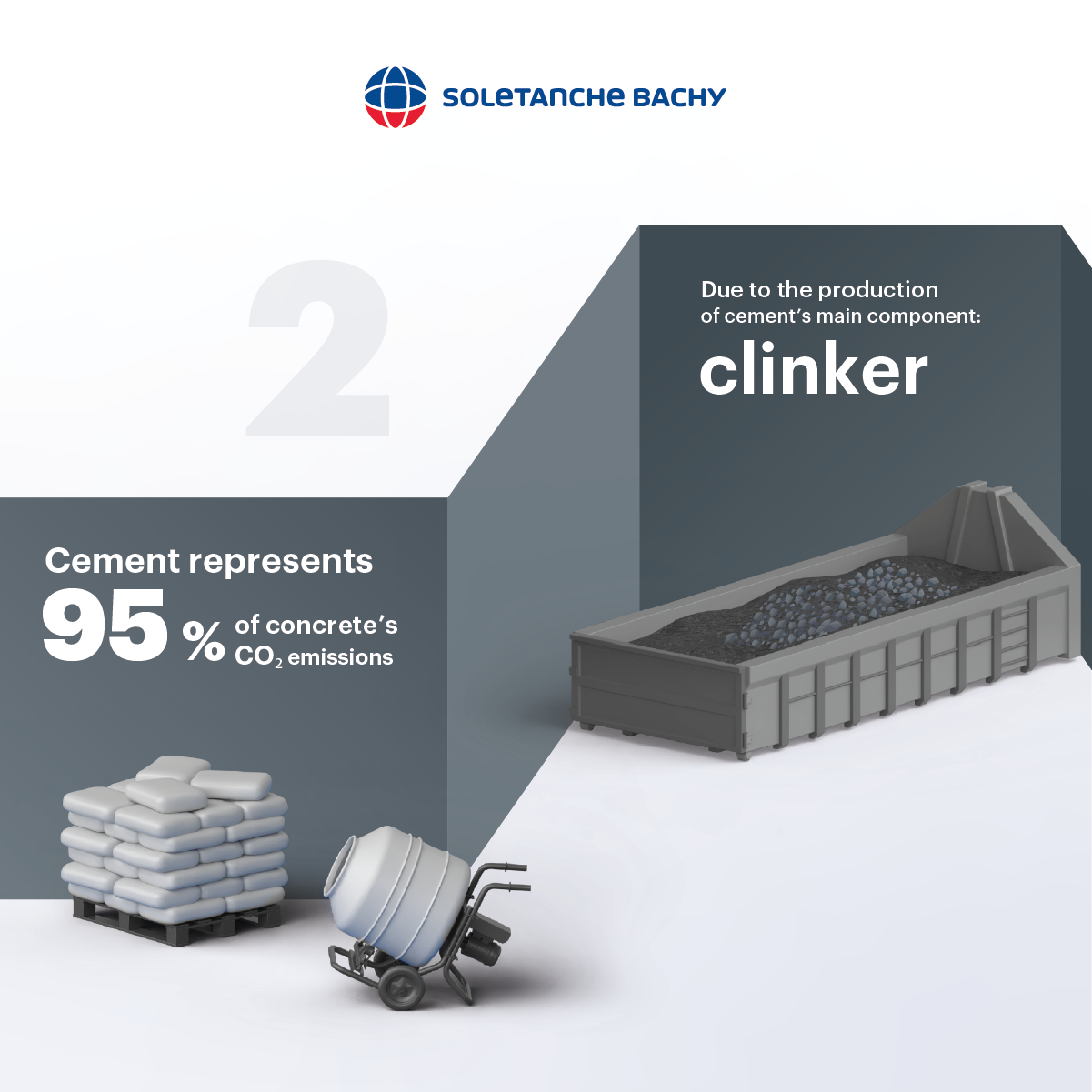
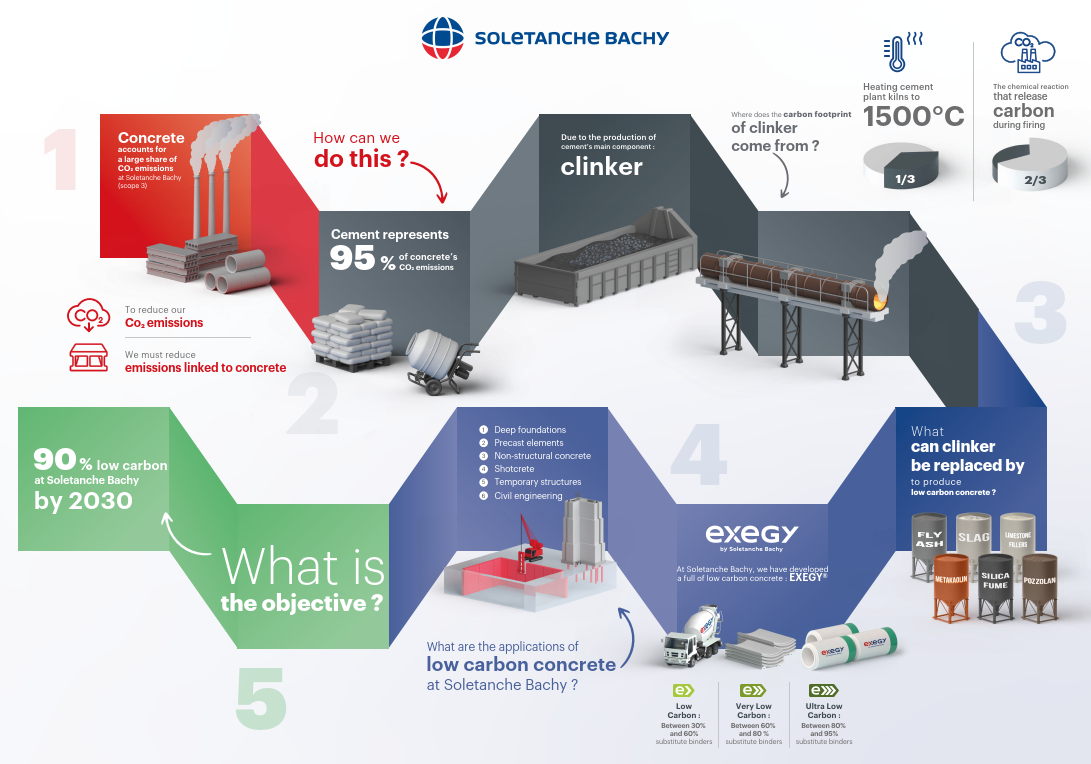
A surprising figure: cement is responsible for 85% of concrete’s CO₂ emissions, even though it represents only 12% of its composition. To reduce concrete’s carbon footprint, the key is to focus on cement!
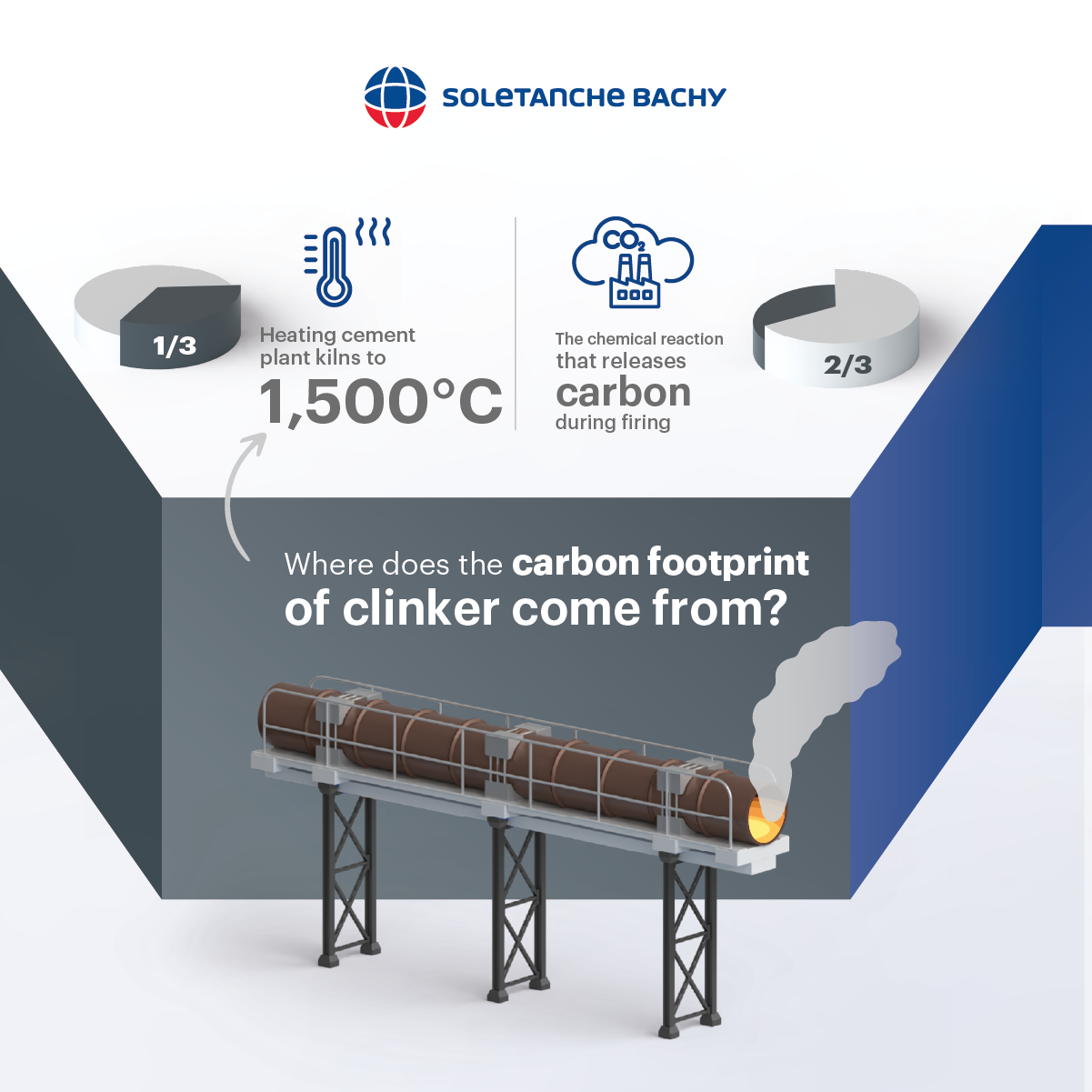
The solution? Reduce the proportion of clinker. This main component of cement is responsible for a large share of its carbon footprint due to both the heating of kilns and the chemical calcination process.
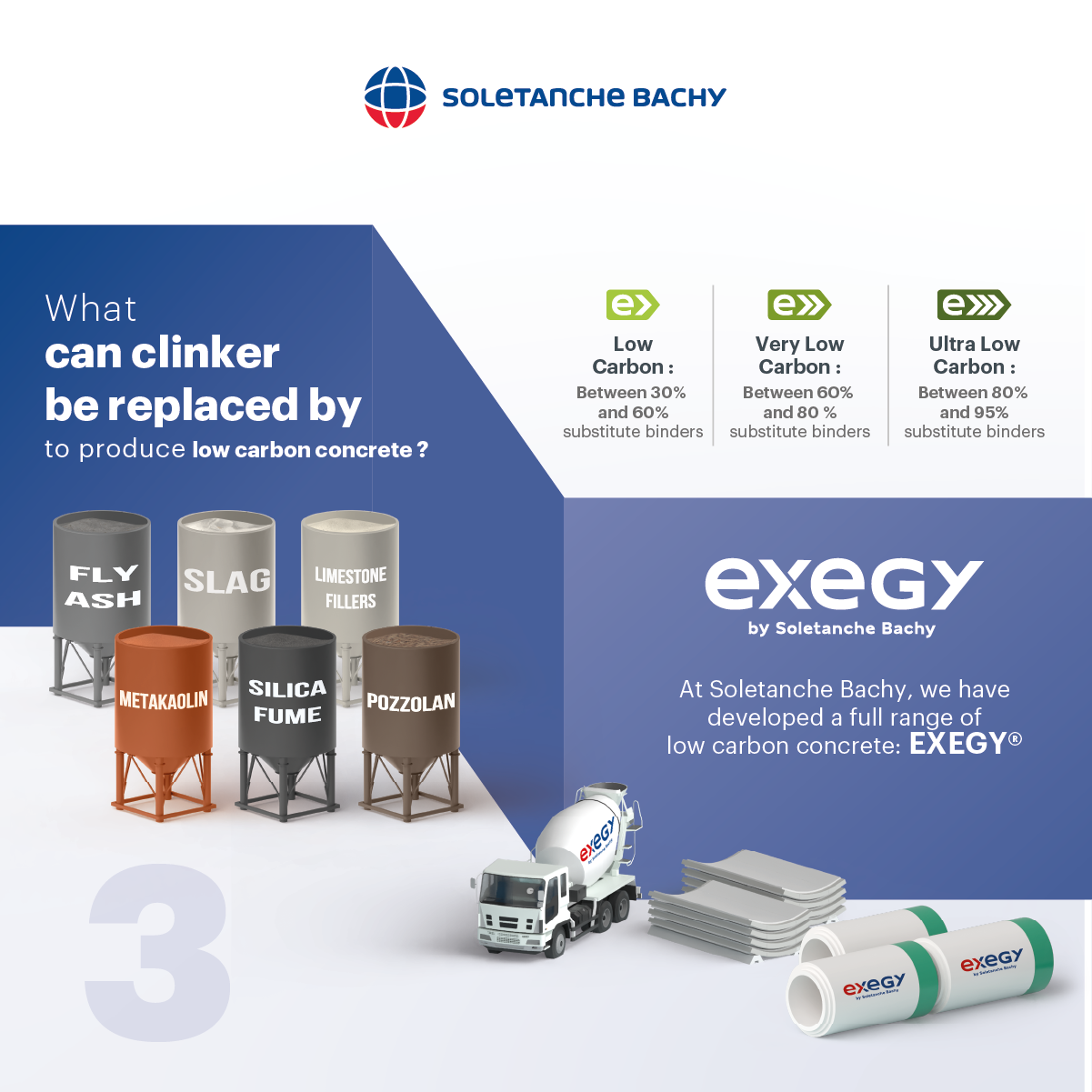
In practical terms, part of the clinker is replaced with mineral additions:
Industrial by-products: blast furnace slag, fly ash
Naturally occurring materials: pozzolan, calcined clays, limestone filler
Depending on the amount of alternative binders used, three types of reduced-carbon concrete can be produced, all available under the EXEGY® brand developed by VINCI Construction:
→ Low-Carbon Concrete: generally or typically between 30% and 60% substitute binders
→ Very Low-Carbon Concrete: generally or typically between 60% and 80% substitute binders
→ Ultra-Low-Carbon Concrete: generally or typically between 80% and 95% substitute binders
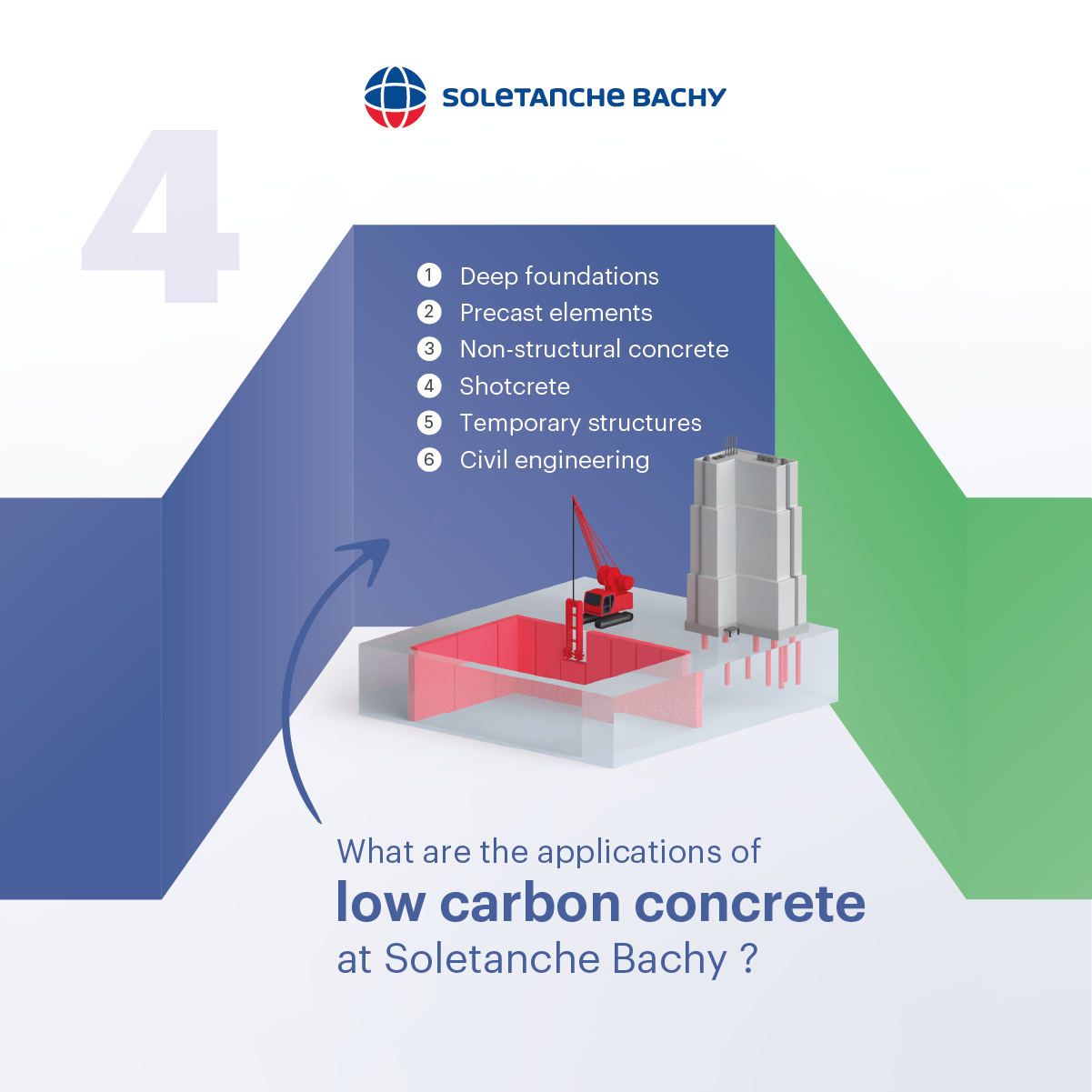
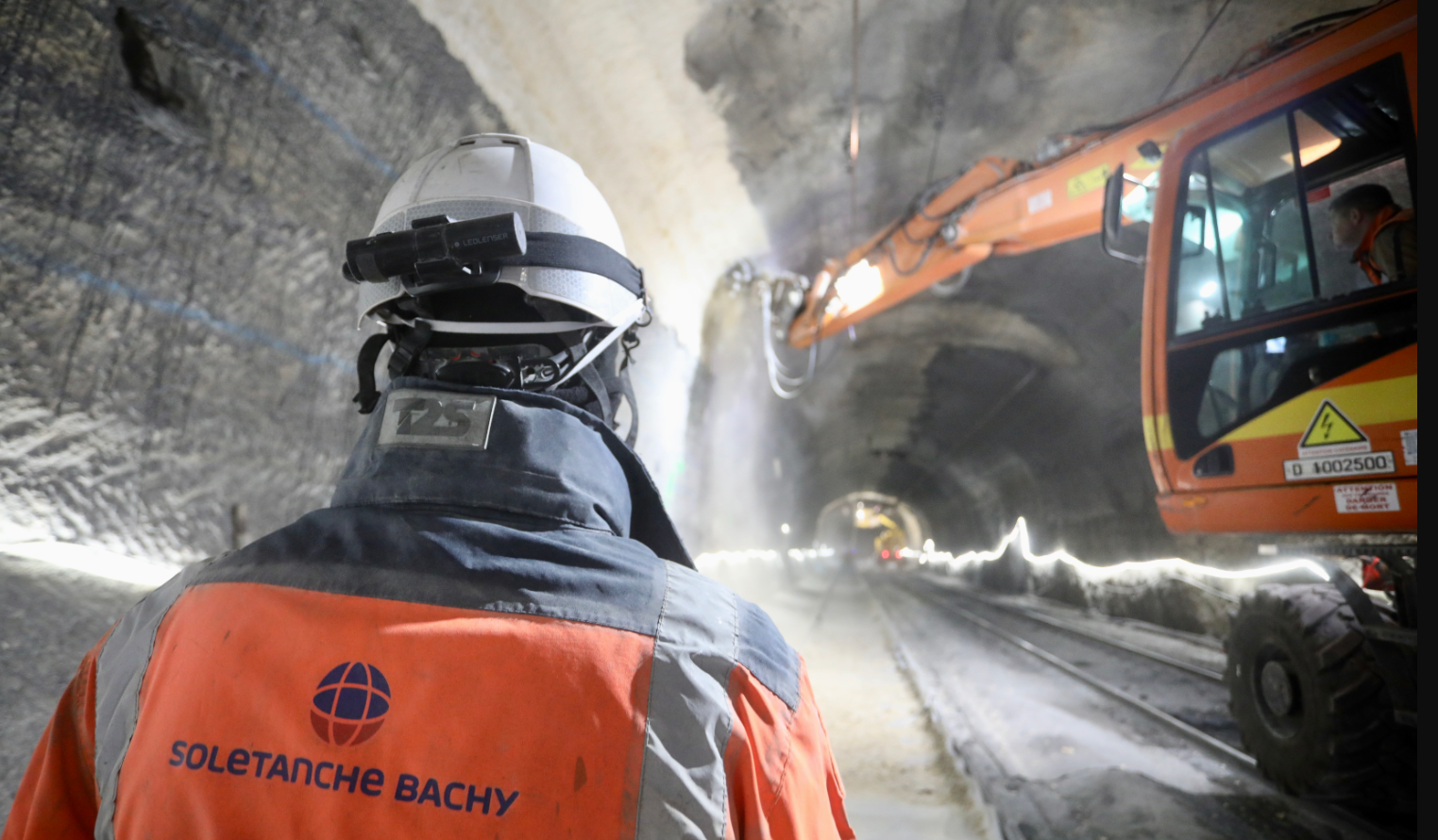
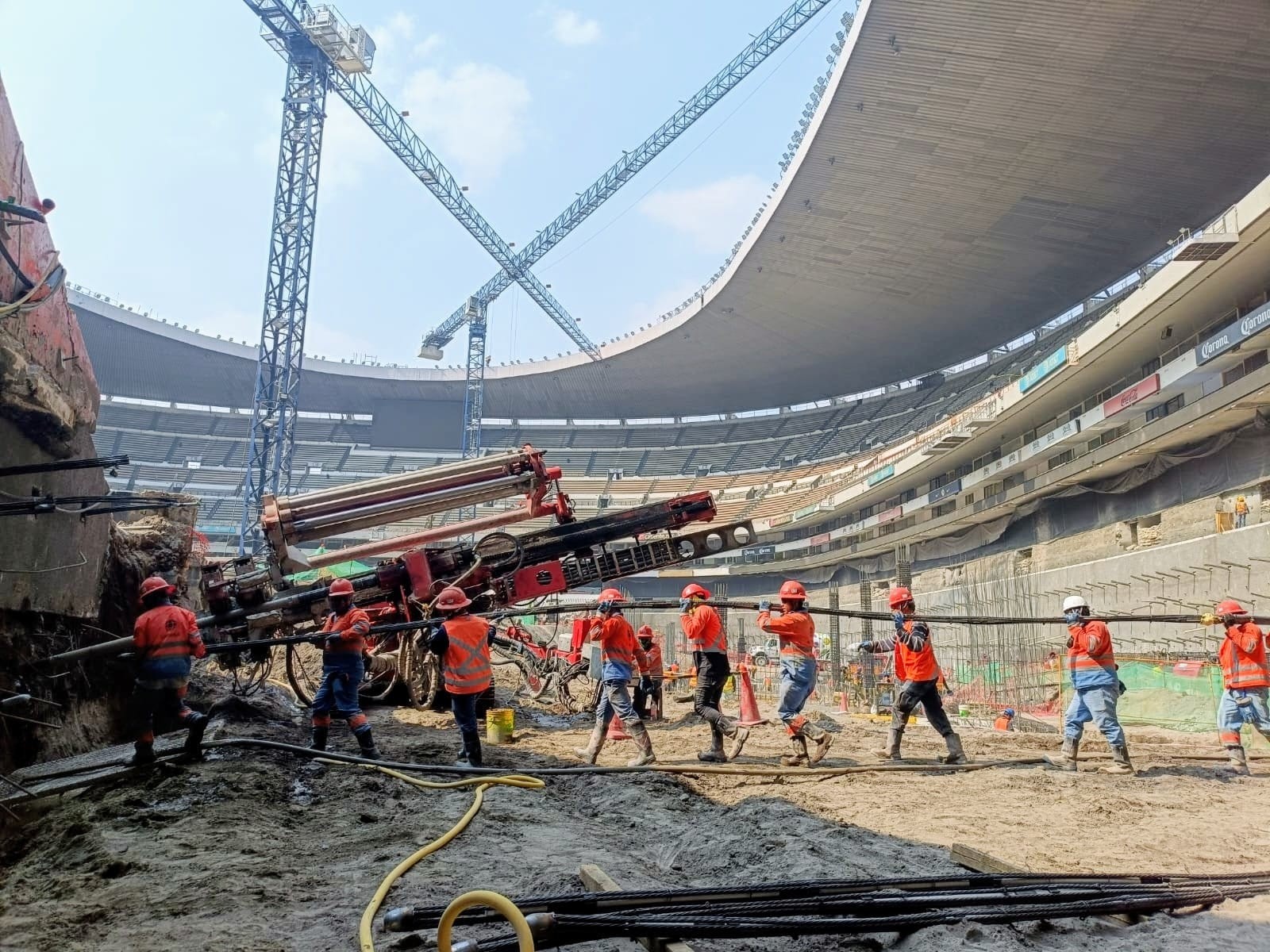
At Soletanche Bachy, we use these solutions for deep foundations, precast elements, sprayed concrete, and temporary structures. Each mix design is tailor-made by Soletanche Bachy’s materials laboratory, the world’s most advanced laboratory in the foundations and underground construction sector.
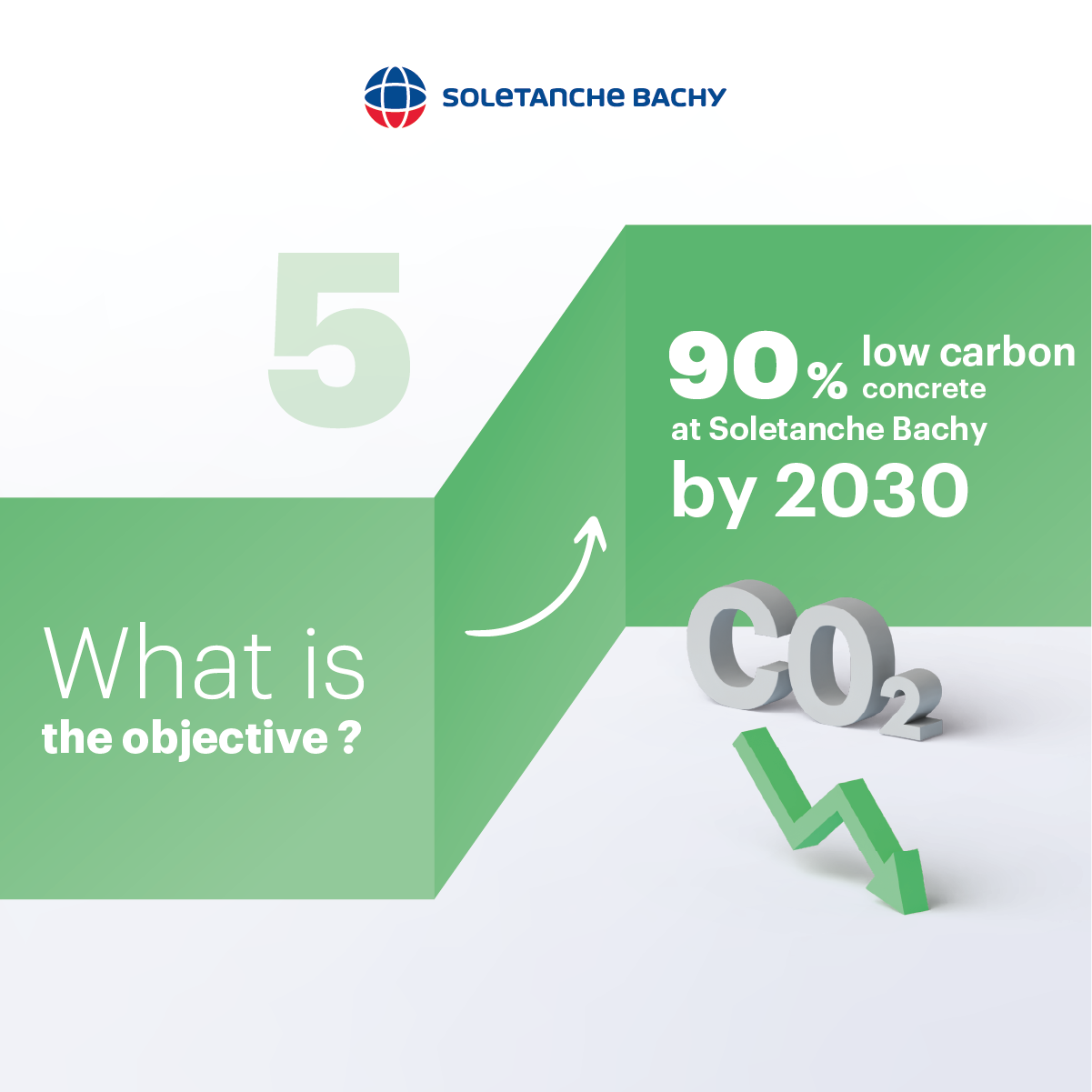
To deliver our projects, we need concrete, a material with a significant carbon footprint. We know that. That is precisely why we are taking action. Together with VINCI, Soletanche Bachy has set clear targets for 2030: a 20% reduction in indirect emissions (Scope 3) and 90% deployment of low-carbon concrete across all projects.
Low-carbon concrete now holds no secrets for you!