27/10/2025
T2D in Adelaide: Soletanche Bachy at the Heart of South Australia’s Largest Infrastructure Project
The River Torrens to Darlington (T2D) project is the largest infrastructure project ever undertaken in South Australia. With 10.5 km of urban highway, including 7.5 km of twin tunnels, it will complete the North-South corridor, providing Adelaide with 78 km of continuous highway without traffic lights. The GFWA-SBI joint venture is constructing diaphragm walls, barrettes, a ventilation shaft, and soil improvement. This strategic project will transform mobility in the region and bring lasting improvements to the daily lives of its residents.
A 10.5 km urban highway, including 7.5 km of tunnels
The T2D project is the final link in the North-South corridor, which will eventually total 78 km of continuous highway, without traffic lights, through the Adelaide metropolitan area.
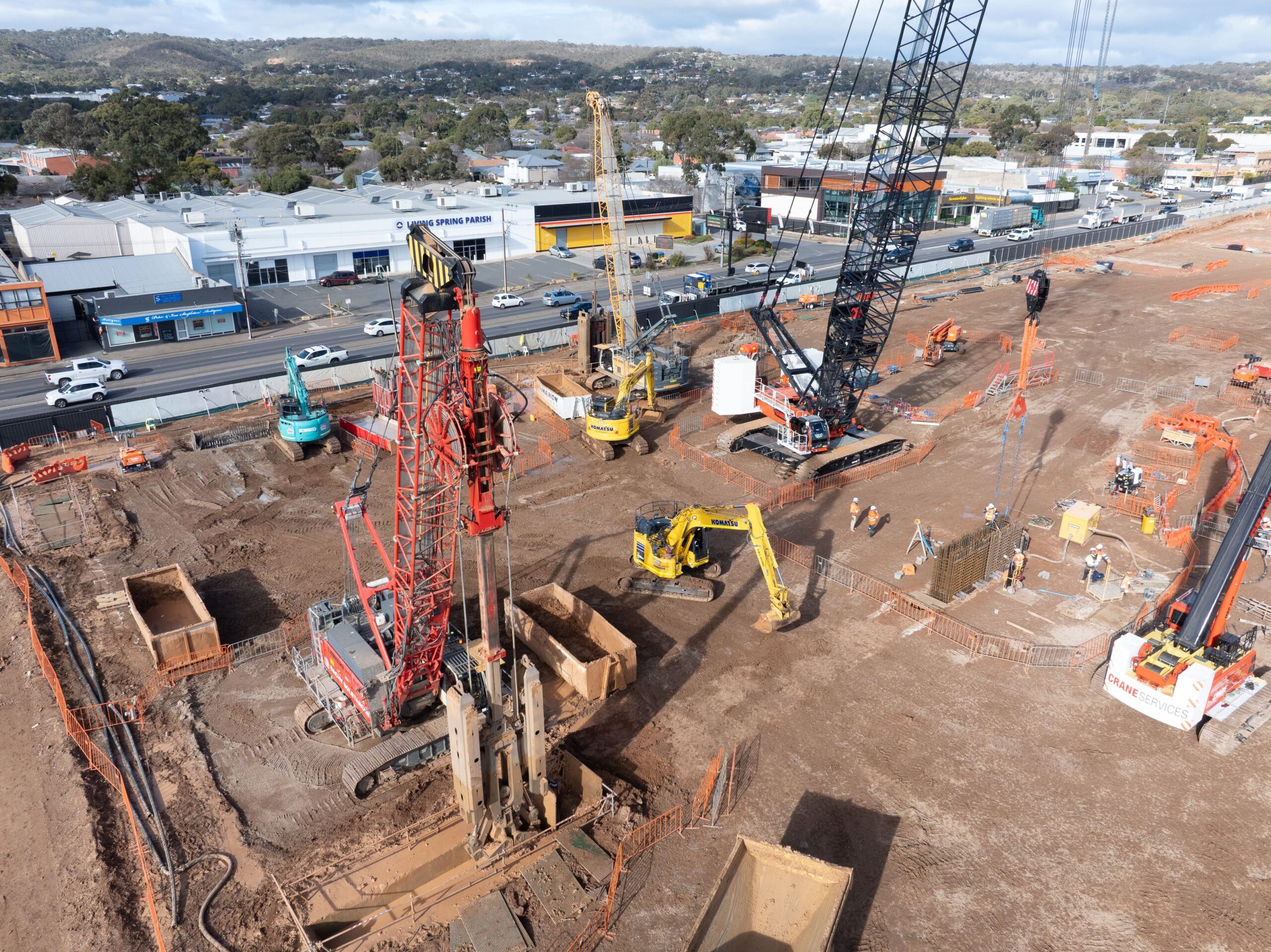
Its flagship feature: two twin tunnels, each 7.5 km long, 15m in diameter and with three lanes, drilled using three tunnel boring machines (rather than two as initially planned) to speed up the schedule. This decision required the exceptional mobilization of up to six diaphragm wall rigs working in parallel.
The largest infrastructure project in the history of the State of South Australia
With a budget of AUD 15.4 billion, jointly funded by the Australian and South Australian governments, T2D is the largest project ever undertaken in the region. Its objectives are clear:
- Improve traffic flow and reduce chronic congestion
- Improve road safety,
- Boost the local economy through better connectivity between the north and south of the city.
Soletanche Bachy’s expertise at the forefront
The GFWA – Soletanche Bachy International joint venture won this major contract, under an Incentivised Target Cost (ITC) contract, thanks to its ability to mobilize a record number of diaphragm wall rigs for Australia, which will enable the Alliance in charge of the main contract to deploy three tunnel boring machines instead of two, thereby shortening the project timeline.
This approach requires an accelerated pace for the preparatory work, particularly on the diaphragm walls for the first two portals, which must be completed by the end of 2025. This will give the green light for the assembly of the tunnel boring machines in early 2026.
After several months of negotiations and method and program optimization, the contract was signed at the end of January 2025, and the teams began work on site in May.
Our work is spread over five sites covering more than 10 km and includes:
- Four tremies, each 150 to 250 m long, with diaphragm walls and barrettes for the tunnel entrances/exits, with open trench and cut-and-cover sections.
- One ventilation shaft 8 m in diameter and 40 m deep for its walls.
- Specific soil treatment with slurry walls for the tunnel boring machine entry points (areas with very low ground cover).
In total, 56,000 m² of diaphragm walls with thicknesses of 800, 1,200, and 1,500 mm (70,000 m³ of concrete), up to 49 m deep, will be completed by mid-2026.
Major technical challenges
The project is notable for:
- Complex ground consisting of dense to very dense alluvial deposits, with a high water table, and sandstone expected in the ventilation shaft.
- Massive structures, up to 400 m³ of concrete per panel,
- High-density steel reinforcement cages, requiring complex lifting and connection methods,
- The use of GFRP (fiberglass) cages for the soft eyes of the tunnel boring machines.
International mobilization
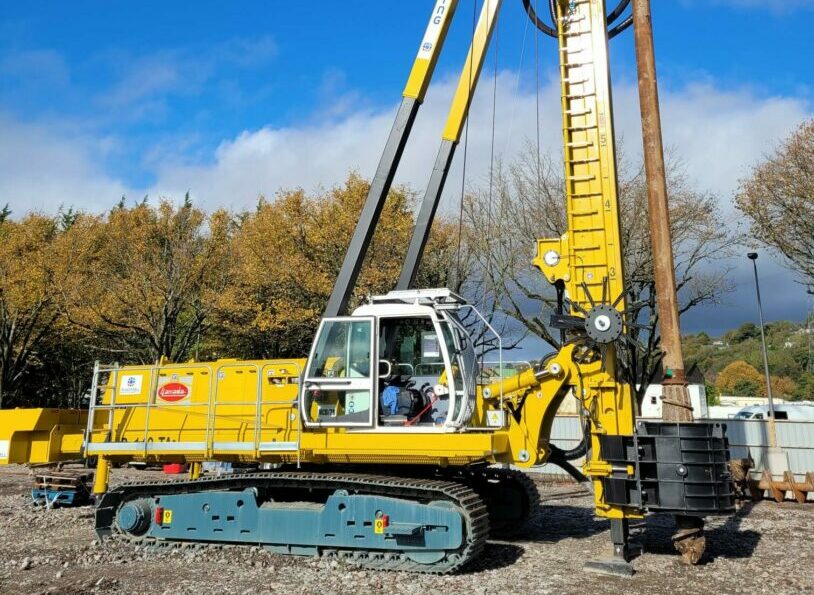
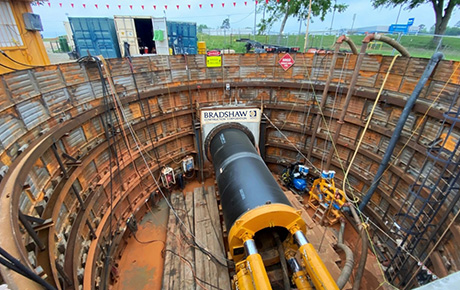
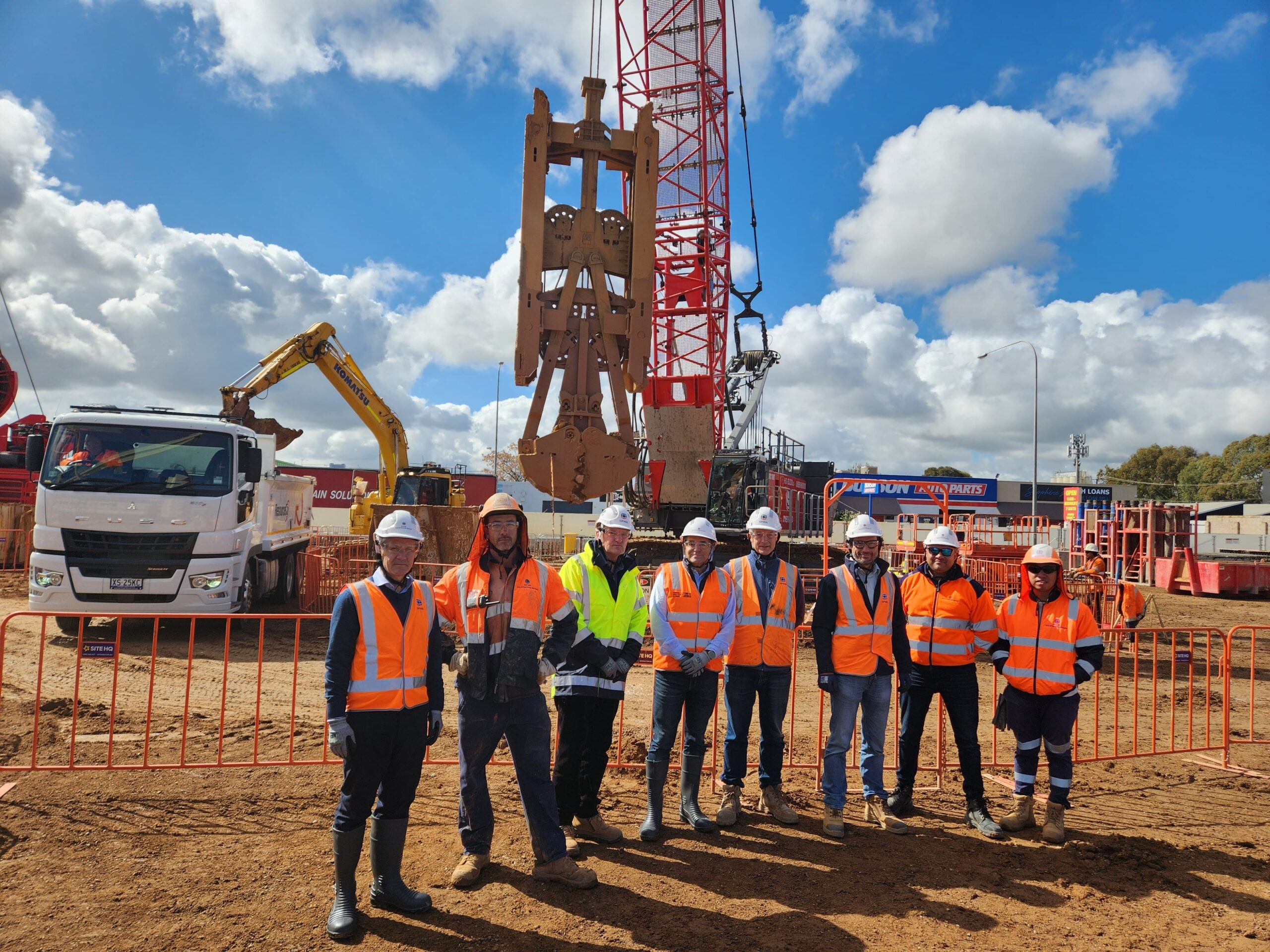
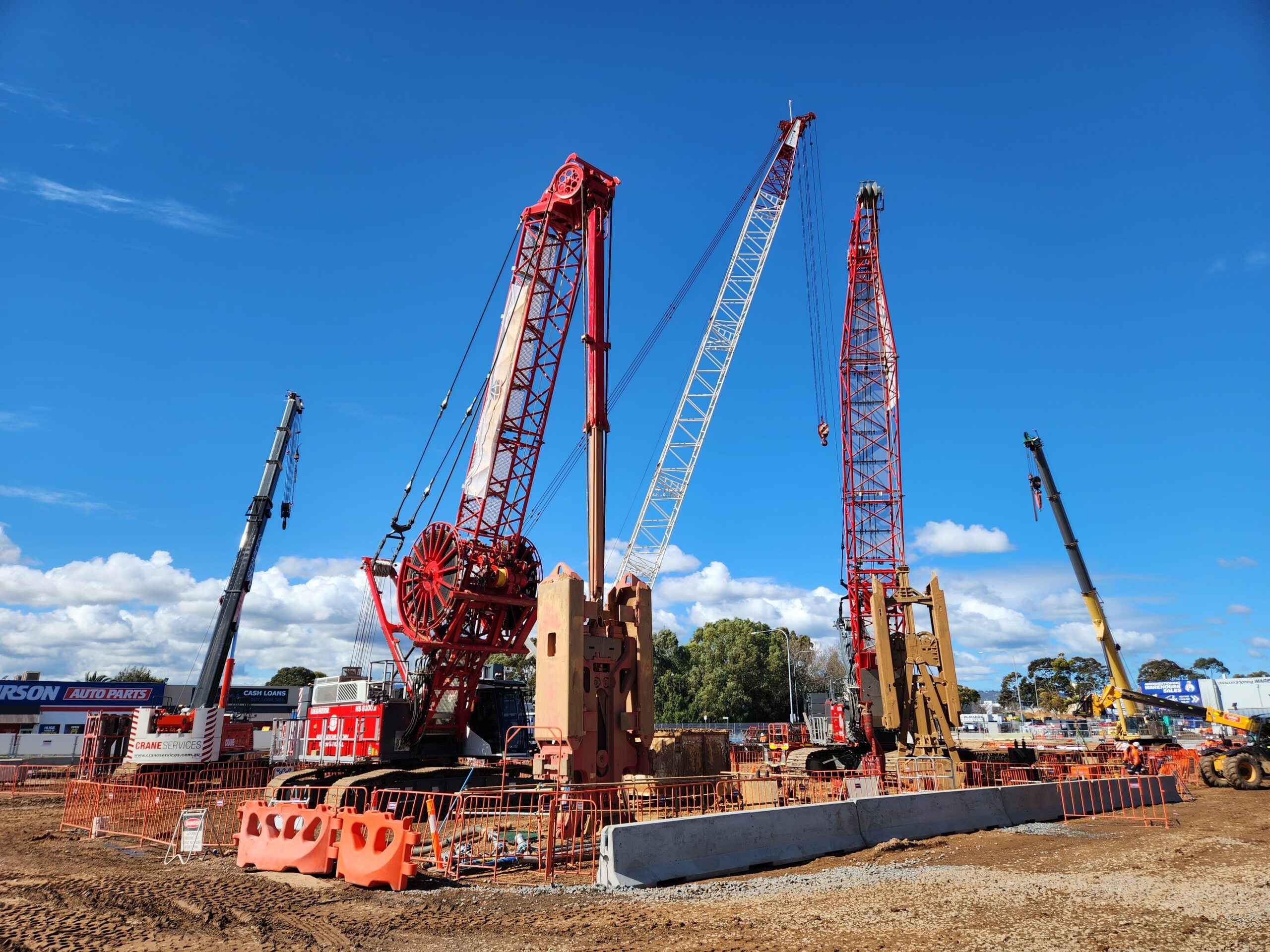
To make this ambitious scenario possible, the joint venture demonstrated its ability to mobilize up to six diaphragm wall rigs simultaneously, including equipment from several of the Group’s business units and regions (New Zealand, Vietnam, Singapore, Hong Kong, United Kingdom). An extraordinary logistical and technical challenge! At peak activity, the teams mobilized nearly 80 people, under the supervision of Frédéric Hubert, Tamas Varsanyi, and Fethi Telili.
A project serving the local community
Beyond its technical prowess, T2D project represents a concrete benefit for local populations:
- shorter travel times,
- smoother traffic flow,
- a safer and better-connected city,
- a powerful boost for the regional economy.
By 2031, when users take this 78 km continuous highway, our teams will be able to take pride in having contributed to a historic project for South Australia.